Finance Your Home Renovations

Dave Lacusta • August 7, 2024

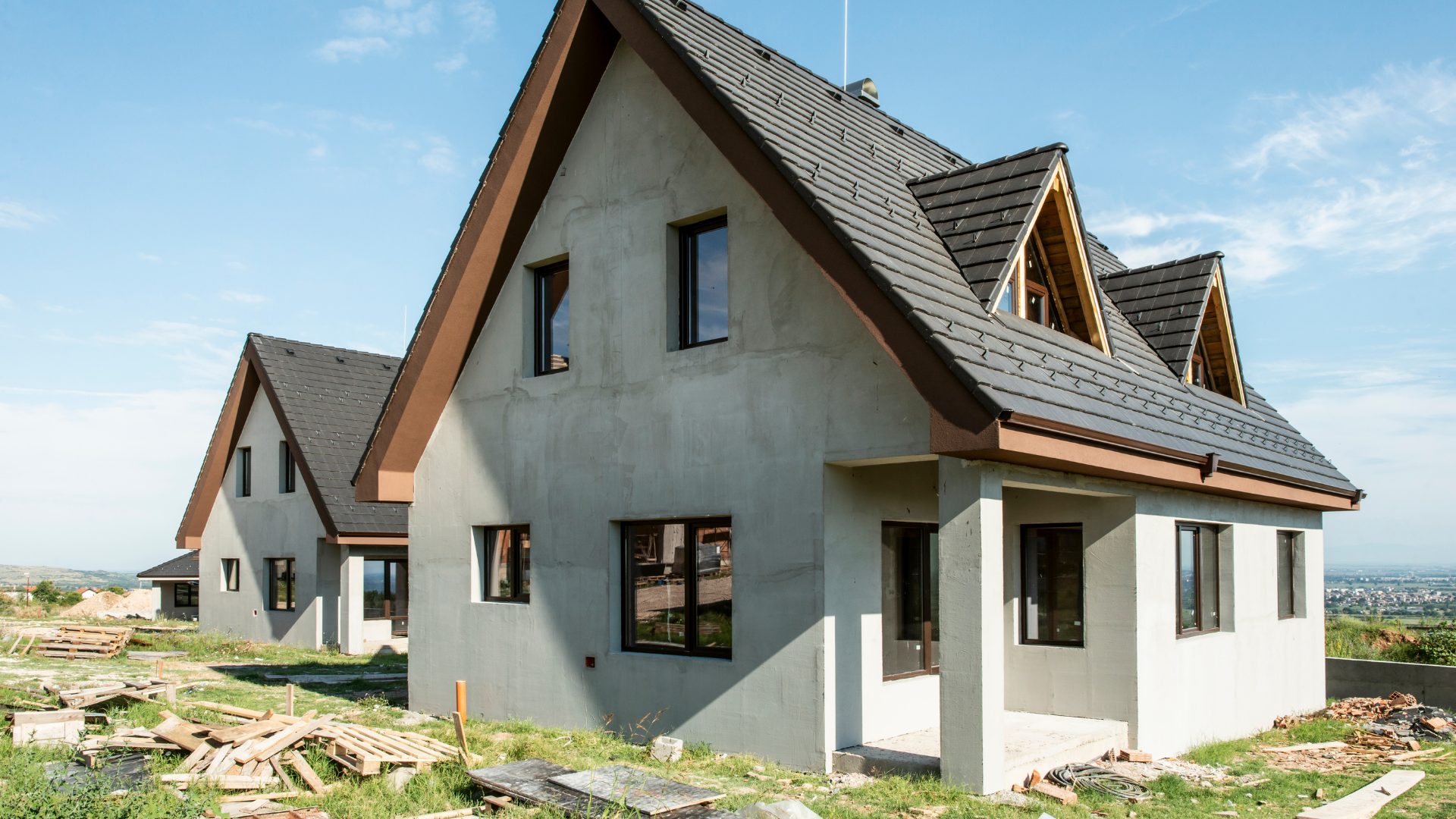
If you’re looking to do some home renovations but don’t have all the cash up front to pay for materials and contractors, here are a few ways to use mortgage financing to bring everything together.


Existing Home Owners - Mortgage Refinance


Probably the most straightforward solution, if you’re an existing homeowner, would be to access home equity through a mortgage refinance.


Depending on the terms of your existing mortgage, a mid-term mortgage refinance might make good financial sense; there’s even a chance of lowering your overall cost of borrowing while adding the cost of the renovations to your mortgage.


As your financial situation is unique, it never hurts to have the conversation, run the numbers, and look at your options. Let’s talk!


If you're not in a huge rush, it might be worth waiting until your existing term is up for renewal. This is a great time to refinance as you won’t incur a penalty to break your existing mortgage.


Now, regardless of when you refinance, mid-term or at renewal, you’re able to access up to 80% of the appraised value of your home, assuming you qualify for the increased mortgage amount.


Home Equity Line of Credit


Instead of talking with a bank about an unsecured line of credit, if you have significant home equity, a home equity line of credit (HELOC) could be a better option for you.


An unsecured line of credit usually comes with a pretty high rate. In contrast, a HELOC uses your home as collateral, allowing the lender to give you considerably more favourable terms.


There are several different ways to use a HELOC, so if you’d like to talk more about what this could look like for you, connect anytime!


Buying a Property - Purchase Plus Improvements


If you’re looking to purchase a property that could use some work, some lenders will allow you to add extra money to your mortgage to cover the cost of renovations. This is called a purchase plus improvements. The key thing to keep in mind is that the renovations must increase the value of the property. There is a process to follow and a lot of details to go over, but we can do this together.


So if you’d like to discuss using your mortgage to cover the cost of renovating your home, please connect anytime!


Recent Articles


By Dave Lacusta March 25, 2026
Cashback Mortgages: Are They Worth It? Here’s What You Need to Know If you’ve been exploring mortgage options and come across the term cashback mortgage , you might be wondering what exactly it means—and whether it’s a smart move. Let’s break it down in simple terms. What Is a Cashback Mortgage? A cashback mortgage is just like a regular mortgage—but with one extra feature: you receive a lump sum of cash when the mortgage closes . This cash is typically: A fixed amount , or A percentage of the total mortgage , usually between 1% and 7% , depending on your mortgage term and lender. The money is tax-free and paid directly to you on closing day. What Can You Use the Cashback For? There are no restrictions on how you use the funds. Here are some common uses: Covering closing costs Buying new furniture Renovations or home upgrades Paying off high-interest debt Boosting your cashflow during a tight transition Whether it’s to help you settle in or catch up financially, cashback can offer a helpful buffer— but it comes at a cost . The True Cost of a Cashback Mortgage Here’s the part many people overlook: cashback mortgages come with higher interest rates than standard mortgages. Why? Because the lender is essentially advancing you a small loan upfront—and they’re going to make that money back (and then some) through your mortgage payments. So while the upfront cash feels like a bonus, you’ll pay more in interest over time to have that convenience. Breaking Down the Numbers It’s hard to give a blanket answer about how much more you’ll pay since it depends on: Your interest rate The cashback amount The mortgage term Your payment schedule This is why it’s important to run the numbers with a mortgage professional who can help you compare this option with others based on your personal financial situation. Are You Eligible for a Cashback Mortgage? Not everyone qualifies. Cashback mortgages generally come with stricter requirements . Lenders often want to see: Excellent credit history Strong, stable income Low debt-to-income ratio If your mortgage file includes anything “outside the box”—like being self-employed or recently changing jobs—qualifying for a cashback mortgage might be tough. What If You Need to Break the Mortgage? This is one of the biggest risks with cashback mortgages. If your circumstances change and you need to break your mortgage early, you could be on the hook for: Paying back some or all of the cashback you received, and A prepayment penalty (typically the interest rate differential or 3 months’ interest—whichever is higher) That can be a very expensive combination. So if there’s even a chance you might need to sell, refinance, or move before your term is up, a cashback mortgage might not be the best fit. Should You Consider a Cashback Mortgage? Maybe—but only with eyes wide open. Cashback mortgages can be helpful in the right scenario, but they’re not free money. They’re a lending tool that benefits the lender , and the key is knowing exactly what you’re agreeing to. Final Thoughts: Talk to an Expert First Choosing the right mortgage isn’t just about the lowest rate or the biggest perk—it’s about making a choice that fits your whole financial picture. If you’re considering a cashback mortgage, or just want to explore all your options, let’s talk. As an independent mortgage professional , I can help you weigh the pros and cons of various products, so you can make a confident, informed decision. Have questions? I’d be happy to help—reach out anytime.
By Dave Lacusta March 18, 2026
The Bank of Canada announced today that it is holding its target for the overnight rate at 2.25%, with the Bank Rate at 2.5% and the deposit rate at 2.20%. For anyone watching the mortgage market — whether you're renewing, purchasing, or simply keeping an eye on borrowing costs — here's a breakdown of what was announced and what it may mean for you.
By Dave Lacusta March 17, 2026
For many Canadians, the dream of homeownership has felt like a moving target. After years of market volatility, shifting interest rates, and economic uncertainty, you might be wondering: is 2026 finally the year to make a move?
Show More