New Mortgage Rules and CMHC Updates: A Guide for First-Time Buyers
Dave Lacusta • September 17, 2024

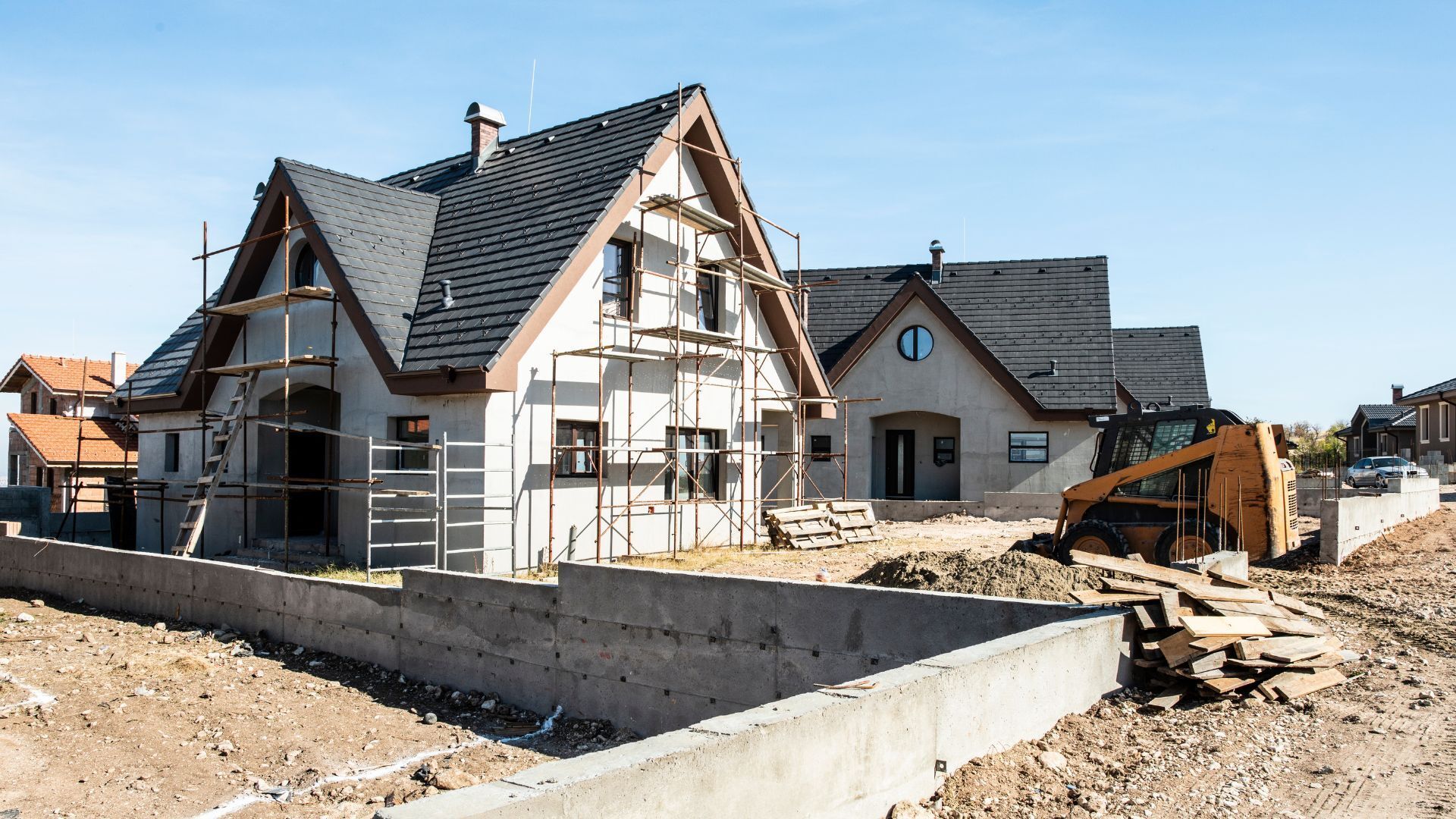
In Budget 2024, the Canadian government introduced significant changes to help first-time homebuyers by extending mortgage amortization periods up to 30 years for those purchasing newly built homes. Effective August 1, 2024, this change will help ease monthly mortgage payments, making homeownership more accessible.


Key Eligibility Criteria for First-Time Buyers:

  • First-Time Buyer Status: At least one borrower must qualify as a first-time homebuyer, meaning they have either never owned a home, haven't lived in a home they owned in the past four years, or recently went through a marriage breakdown.
  • Newly Built Homes: The property must be a newly constructed home that has never been occupied.


These extended mortgages will only apply to high-ratio mortgages (loans covering more than 80% of the home’s purchase price) and are limited to owner-occupied properties. All other mortgage insurance eligibility criteria remain unchanged.


CMHC’s New Amortization Rules for Market MLI and MLI Select Programs

The Canada Mortgage and Housing Corporation (CMHC) has also introduced changes. As of June 19, 2024, the maximum amortization period for new construction market projects will increase from 40 years to 50 years. Additionally, the maximum period for re-amortization (for default management) will extend to 55 years for loans under the MLI Select Program.


These changes aim to encourage the construction of more rental housing units while managing housing affordability. CMHC’s modifications also include updates to energy efficiency criteria, lowering the maximum points from 100 to 50 based on energy efficiency, which means developers may need to shift focus toward affordable units to receive maximum benefits.


Changes to "Use of Funds" and Refinancing

CMHC has lifted restrictions on how refinanced funds can be used, reverting to pre-2020 rules. This allows non-approved lenders to offer bridge loans, creating more flexibility in financing options.


Environmental Site Contamination Policies

In response to industry practices, CMHC is reviewing its environmental site contamination policies. For now, projects with known site contamination will be accepted under conditional approval, pending a contamination-free site confirmation.


Why These Changes Matter

For first-time homebuyers, the ability to spread mortgage payments over 30 years is a welcome relief in today’s housing market, particularly for newly built homes. These changes are designed to improve housing affordability and supply, especially for younger Canadians looking to purchase their first home.


Meanwhile, CMHC’s new rules around extended amortizations and energy efficiency adjustments will have a significant impact on developers, especially those focused on building rental properties or using energy-efficient technologies in their projects.

If you're considering buying a home or developing a property, these changes could impact your strategy. To fully understand how these updates may apply to your situation, it's important to consult with a mortgage expert who can offer personalized advice.


Want to know how these changes could affect your home buying or property development plans? Book a call with a mortgage expert today to explore your options!


Recent Articles


By Dave Lacusta March 25, 2026
Cashback Mortgages: Are They Worth It? Here’s What You Need to Know If you’ve been exploring mortgage options and come across the term cashback mortgage , you might be wondering what exactly it means—and whether it’s a smart move. Let’s break it down in simple terms. What Is a Cashback Mortgage? A cashback mortgage is just like a regular mortgage—but with one extra feature: you receive a lump sum of cash when the mortgage closes . This cash is typically: A fixed amount , or A percentage of the total mortgage , usually between 1% and 7% , depending on your mortgage term and lender. The money is tax-free and paid directly to you on closing day. What Can You Use the Cashback For? There are no restrictions on how you use the funds. Here are some common uses: Covering closing costs Buying new furniture Renovations or home upgrades Paying off high-interest debt Boosting your cashflow during a tight transition Whether it’s to help you settle in or catch up financially, cashback can offer a helpful buffer— but it comes at a cost . The True Cost of a Cashback Mortgage Here’s the part many people overlook: cashback mortgages come with higher interest rates than standard mortgages. Why? Because the lender is essentially advancing you a small loan upfront—and they’re going to make that money back (and then some) through your mortgage payments. So while the upfront cash feels like a bonus, you’ll pay more in interest over time to have that convenience. Breaking Down the Numbers It’s hard to give a blanket answer about how much more you’ll pay since it depends on: Your interest rate The cashback amount The mortgage term Your payment schedule This is why it’s important to run the numbers with a mortgage professional who can help you compare this option with others based on your personal financial situation. Are You Eligible for a Cashback Mortgage? Not everyone qualifies. Cashback mortgages generally come with stricter requirements . Lenders often want to see: Excellent credit history Strong, stable income Low debt-to-income ratio If your mortgage file includes anything “outside the box”—like being self-employed or recently changing jobs—qualifying for a cashback mortgage might be tough. What If You Need to Break the Mortgage? This is one of the biggest risks with cashback mortgages. If your circumstances change and you need to break your mortgage early, you could be on the hook for: Paying back some or all of the cashback you received, and A prepayment penalty (typically the interest rate differential or 3 months’ interest—whichever is higher) That can be a very expensive combination. So if there’s even a chance you might need to sell, refinance, or move before your term is up, a cashback mortgage might not be the best fit. Should You Consider a Cashback Mortgage? Maybe—but only with eyes wide open. Cashback mortgages can be helpful in the right scenario, but they’re not free money. They’re a lending tool that benefits the lender , and the key is knowing exactly what you’re agreeing to. Final Thoughts: Talk to an Expert First Choosing the right mortgage isn’t just about the lowest rate or the biggest perk—it’s about making a choice that fits your whole financial picture. If you’re considering a cashback mortgage, or just want to explore all your options, let’s talk. As an independent mortgage professional , I can help you weigh the pros and cons of various products, so you can make a confident, informed decision. Have questions? I’d be happy to help—reach out anytime.
By Dave Lacusta March 18, 2026
The Bank of Canada announced today that it is holding its target for the overnight rate at 2.25%, with the Bank Rate at 2.5% and the deposit rate at 2.20%. For anyone watching the mortgage market — whether you're renewing, purchasing, or simply keeping an eye on borrowing costs — here's a breakdown of what was announced and what it may mean for you.
By Dave Lacusta March 17, 2026
For many Canadians, the dream of homeownership has felt like a moving target. After years of market volatility, shifting interest rates, and economic uncertainty, you might be wondering: is 2026 finally the year to make a move?
Show More